
The difference between expanded graphite fireproof strips and encapsulated fireproof strips
Recently, I have heard many accounts within various industries stating that the encapsulated fireproof strips have many more advantages compared to the expanded graphite fireproof strips. I have also seen some company promotional materials featuring test images that illustrate how the encapsulated fireproof strips have much more expansion material than the graphite strips. I am deeply puzzled and have many doubts. I have also checked some domestic and foreign materials and combined my 20-plus years of experience to express my thoughts on what criteria should be used to judge the quality of fireproof strips. I am willing to discuss this with experts and colleagues.
Leaving aside other fireproof materials and assuming that the test standards are the same, the test conditions are the same, and the test specimen specifications are the same. Based on this, in terms of the fire resistance properties of these two materials, which one has a higher safety factor?
Looking at the current world, the sealing strips or sealing sheets used for fireproof doors are almost all made of expandable materials. The reason for using expandable materials is that they increase in volume by several times under high temperatures during a fire to seal the holes and gaps in the fireproof door, ensuring that the door completely blocks the heat flow, the gases produced by combustion, and the spread of flames. At this time, the gaps between the door frames, the gaps around the lock, the passage for the door mirror, and the space for the ventilation louvers all require them to have sufficient expansion volume to fill and seal.
This is why all manufacturers produce products of different specifications and sizes according to the requirements of fire resistance time (grade). Moreover, the larger the size specification of the fire barrier strip, the higher the grade and longer the required fire resistance time for the fire door. This is why when applying for the British WARRINGTON CERTIFIRE, in addition to conducting annual factory re-inspections, they also need to test the expansion ratio (rate) of the certified manufacturers’ products every year. Similarly, in Europe, there were encapsulated sealing strips decades ago, and there were also several types of fire-resistant sealing strips among them, but they have not yet gained popularity to this day.
The expanded graphite strip is a product entirely made of expanded graphite material itself. While the coated fireproof strip is made by adding some graphite powder to the main material of foamed polyurethane. Thus, the amount of expanded material can be clearly seen from this. Here are the expansion multiples (rates) tests conducted on two products of the same size — 20mm * 4mm.
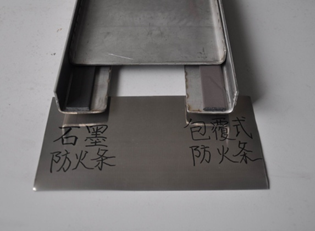
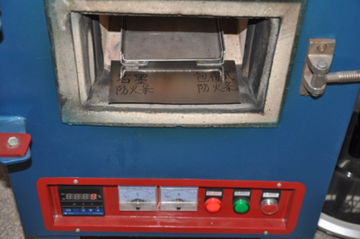
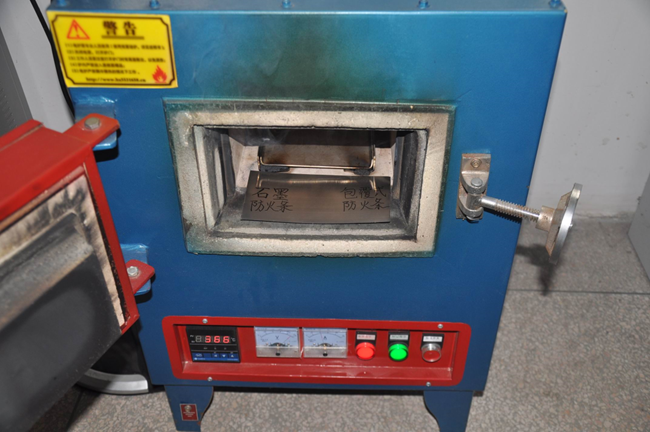
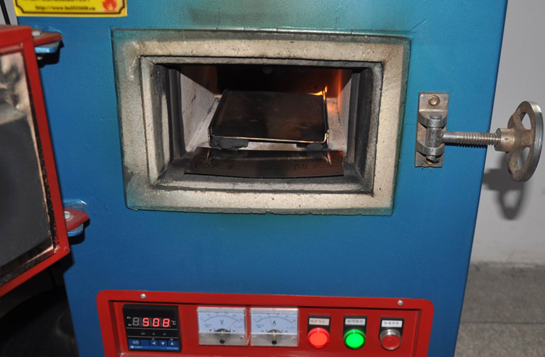
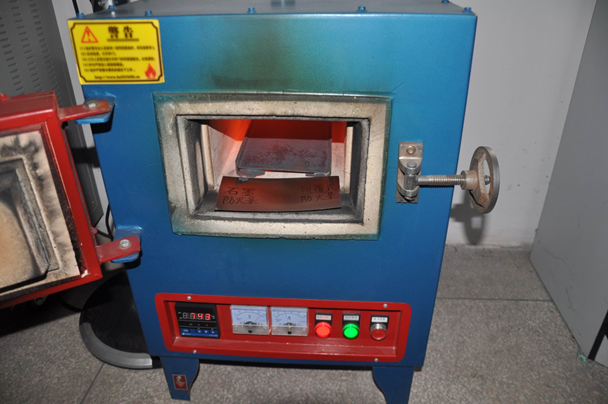
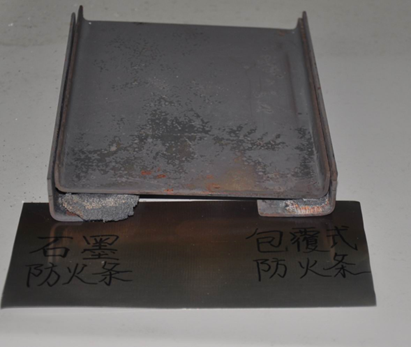
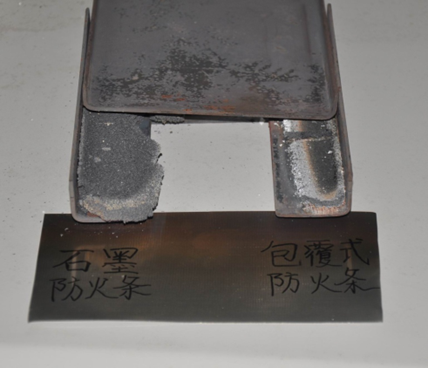
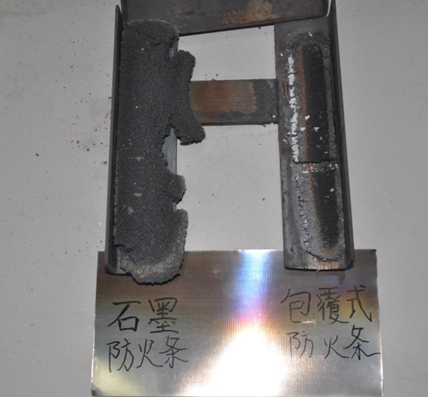
As can be seen from the above pictures, the graphite fireproof strips have a very large expansion volume, while the encapsulated fireproof strips have a smaller volume and there is a possibility of having discontinuities.
During the test, we observed that the coated fireproof strip had almost no further expansion after reaching 300℃. At this point, the graphite fireproof strip was experiencing a strong expansion trend.
The function of fire prevention products lies in prioritizing safety as the primary factor. Products with more expansive materials and higher expansion ratios are considered safer.
Post time: May-18-2026